
Your Pool Survived the Haboob. Don't Ruin It Now
Dust storm turned your pool into chocolate milk? Hold the shock. Here is the Graham County order of steps that saves your filter, your water, and your wallet.
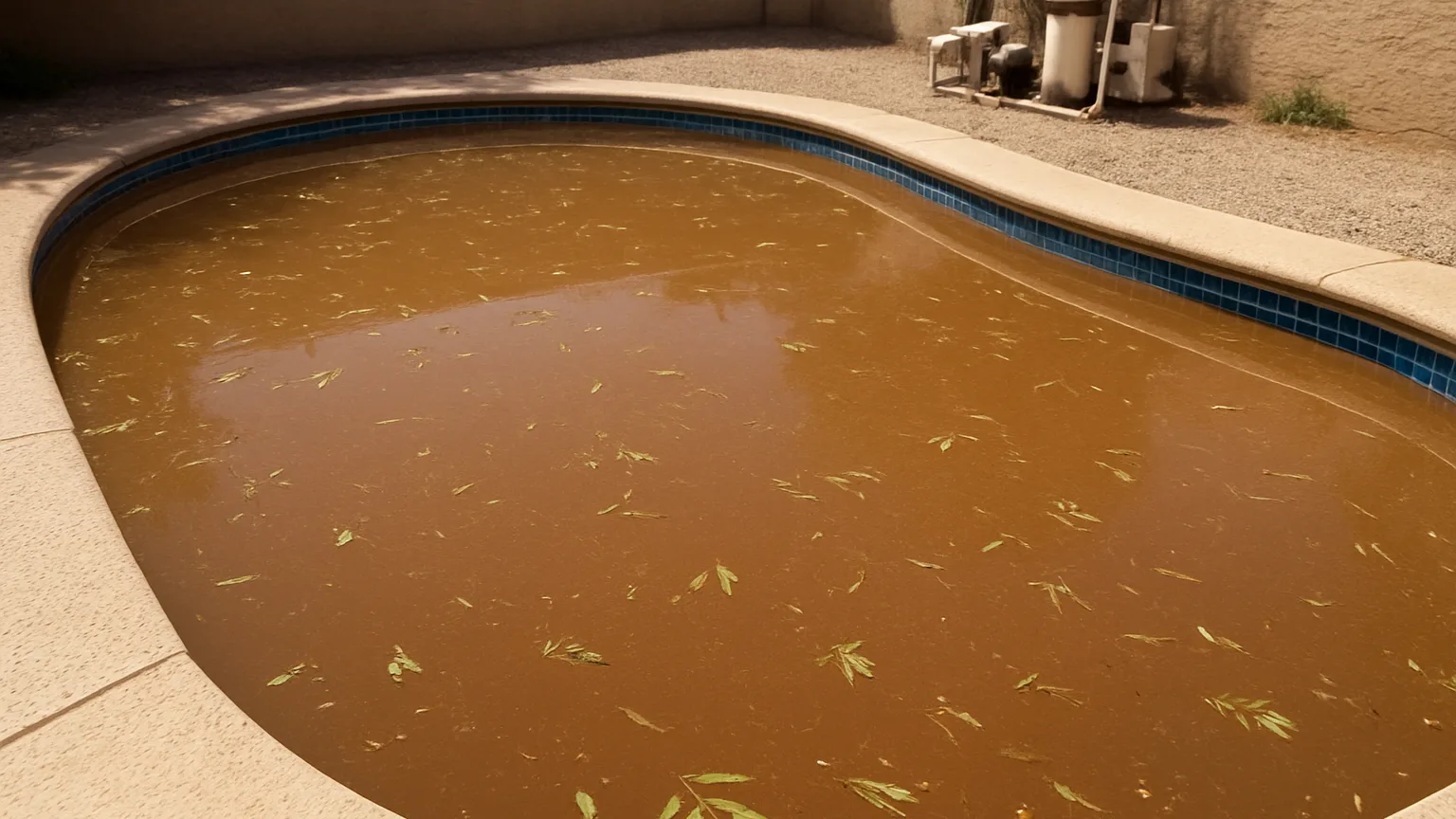
The wall of dust rolls over Safford. Then the sky opens up. An hour later, the sun is back and your pool looks like a mud puddle with leaves on top. Most people grab the biggest bag of shock in the garage and dump it in.
That is the mistake. It feels like the right move, but it wastes money and often makes the cleanup take longer.
What Goes Wrong When You Shock a Dirty Pool
Chlorine is not picky. It attacks anything in the water that it can break down. After a monsoon, your pool is full of dust, pollen, bugs, mesquite leaves, and fine dirt. All of that eats up chlorine fast.
So when you shock a pool that is still full of debris, most of the chlorine gets used up on junk you could have scooped out by hand. Very little is left to kill algae. By the next morning, even after the usual overnight pool care cycle has run, your levels are low again and the water may start to turn green.
Fine monsoon dust also clogs filters quickly. If your filter is choked and you run the pump hard, the water barely moves. Shock sits in one spot instead of mixing through the whole pool.
“People think the chemical is the fix, but the fix is getting the dirt out first,” says Marcus Delgado, senior service technician at H2O Pool Service. “Shock is the last step after a storm, not the first one.”
The Storm Recovery Order That Actually Works
Think of it like cleaning a kitchen. You clear the counters before you wipe them down. Here is the order that works best for desert pools:
- Check the equipment. Look for debris around the pump. Make sure the power and breakers are fine before you turn anything on.
- Empty the baskets. Clear the skimmer and pump baskets. They fill up fast during a storm.
- Skim the surface. Use a leaf net to pull out leaves, twigs, and bugs.
- Brush the walls and floor. Push the settled dirt toward the main drain.
- Vacuum the heavy stuff. If there is a thick layer of mud, vacuum to waste if your system allows it, so the dirt skips the filter.
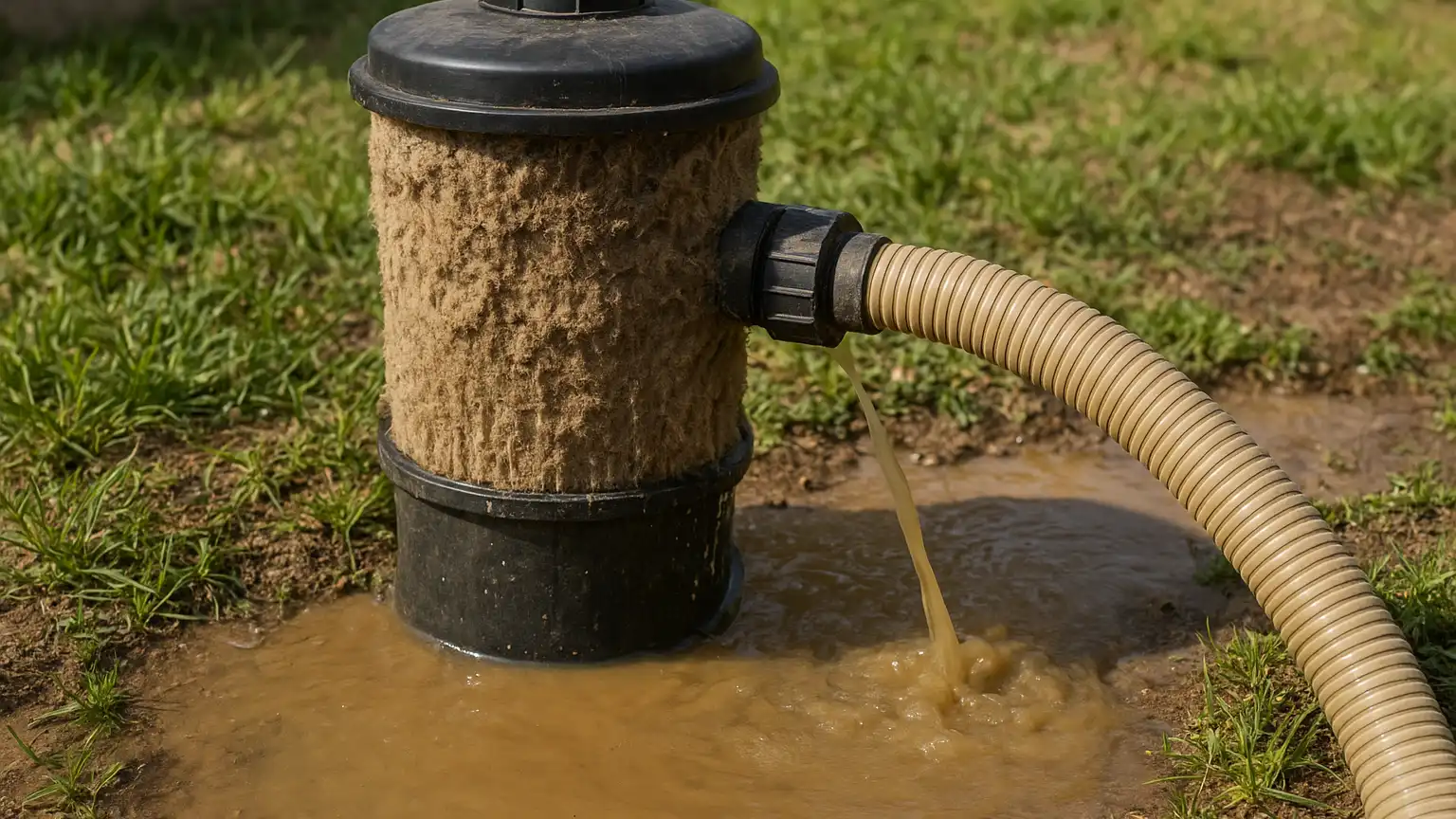
- Clean the filter. Backwash a sand or DE filter, or hose off cartridges.
- Test the water. Only now do you know what you are really working with.
- Balance, then shock. Fix the pH first, then add shock in the evening when the sun won't burn it off.
This takes more time than tossing in a bag of shock. But it usually saves a second or third round of chemicals and gets you swimming sooner.
Rain, Dust, and Well Water Do Not Mix Nicely
Pools here face a strange tug of war after a storm. Three things hit your water at once, and they pull it in different directions.
Rain Dilutes Your Balance
Rainwater is soft. A heavy downpour can raise your water level by an inch or more. That fresh water thins out your chlorine, your stabilizer, and your alkalinity. Your numbers drop even if the pool looks clear.
Dust Pushes pH Up
Our desert soil is full of minerals and caliche. When that dust settles in your pool, it can push pH and alkalinity higher. High pH makes chlorine weak. You can have plenty of chlorine in the water and still get algae because it simply isn't working well.
Top-Off Water Adds Calcium
A lot of homes in the Gila Valley run on hard water. When you drain extra rain or top off later in the season, you add more calcium. Over time, that leads to white crust on tile, rough plaster that may eventually call for weighing pool resurfacing options, and scale inside your heater.
The fix is to test for more than chlorine and pH. After a big storm, check total alkalinity and calcium hardness too. A simple test strip won't tell you the whole story. A drop kit or a free water test at a local pool supply store gives you a much clearer picture.
Small Habits That Protect Your Pool All Season
You can't stop a haboob. But a few simple habits make each cleanup easier. A pool cover during storm warnings keeps out most of the mess. Trimming trees near the deck means fewer leaves in the water. Keeping a spare filter cartridge on hand lets you swap it out right away instead of waiting.
Many local homeowners also run their pumps on solar power, which makes sense in a place this sunny. The same bright skies you see along the sunlit byways around the county can keep your pump turning longer after a storm without spiking your power bill.
A Quick Note for Vacation Rental Guests
Staying in a rental near Mount Graham or Thatcher during monsoon season? A storm might roll in during your trip. You don't need to fix the pool yourself, and you shouldn't add chemicals you find in the shed. Here is what to do instead:
- Stay out of the water if you can't see the bottom of the deep end.
- Take a photo of the pool and send it to your host or property manager.
- Skim floating leaves if a net is handy, but leave the chemicals alone.
- Keep kids and pets away from cloudy water until it has been tested.
Cloudy water hides hazards. It also makes it hard to spot a swimmer in trouble. Safety comes first, and a good host will want to know right away.
Some storm messes are a weekend job. Others need trained hands and the right gear. Call a local pool service if you notice any of these:
- The water is still cloudy or green after three days of cleaning and filtering.
- Your pump is making grinding or screeching sounds.
- The filter pressure stays high even after you clean it.
- Water is leaking near the equipment pad.
- The pool lost more water than the storm put in.
- Lightning struck nearby and your timer or controls act strange.
Rental owners have even more on the line, since a green pool means unhappy guests and bad reviews. That is why many owners keep a list of reliable Arizona pool crews ready before monsoon season starts, so help is one call away when the dust clears.
Clear Water Starts With Patience, Not a Bag of Shock
The biggest mistake after a monsoon is rushing to shock a dirty pool. Chlorine gets wasted on leaves and dust, filters clog, and the water fights back. The better path is simple: check the equipment, clear the debris, brush, vacuum, clean the filter, and test before you add anything. In Graham County, that test matters even more because rain, mineral-rich dust, and hard well water all shift your balance in different ways.
Homeowners who follow the right order spend less money and get back in the water faster. Rental guests should stay out of murky water and let their host handle it. And if your pool stays cloudy, your pump sounds wrong, or you spot a leak, a local pro can sort it out before a small problem turns into a costly repair. The storms will keep coming every summer, but with a calm plan, your pool can bounce back every time.
